
Helping Suncast Plan for the Future With a Clearer View of Today’s Consumer
Project Overview
The strongest business strategies start with a clear understanding of the customer. But consumer expectations are constantly evolving. Generational shifts, changing buying behaviors, new media habits, and emerging product categories can quickly make yesterday’s assumptions outdated.
As Suncast looked toward its future, the company wanted to ensure its plans were grounded in who its consumers are today—not who they used to be. Bailey Brand Consulting partnered with Suncast to build an up-to-date understanding of its audiences and turn those insights into a strategic framework for future growth.

The Challenge
Suncast had completed a consumer segmentation study several years earlier. Since then, the market had experienced significant change.
The post-pandemic buying landscape had stabilized. Gen Z had become a meaningful purchasing audience. Consumer media habits had shifted dramatically. And Suncast itself had expanded beyond its traditional storage products into outdoor furniture, creating new opportunities and new customer expectations.
Rather than relying on historical assumptions, Suncast wanted fresh insight into how today’s consumers shop, what motivates their purchases, and which audiences represented the greatest opportunity for future growth.
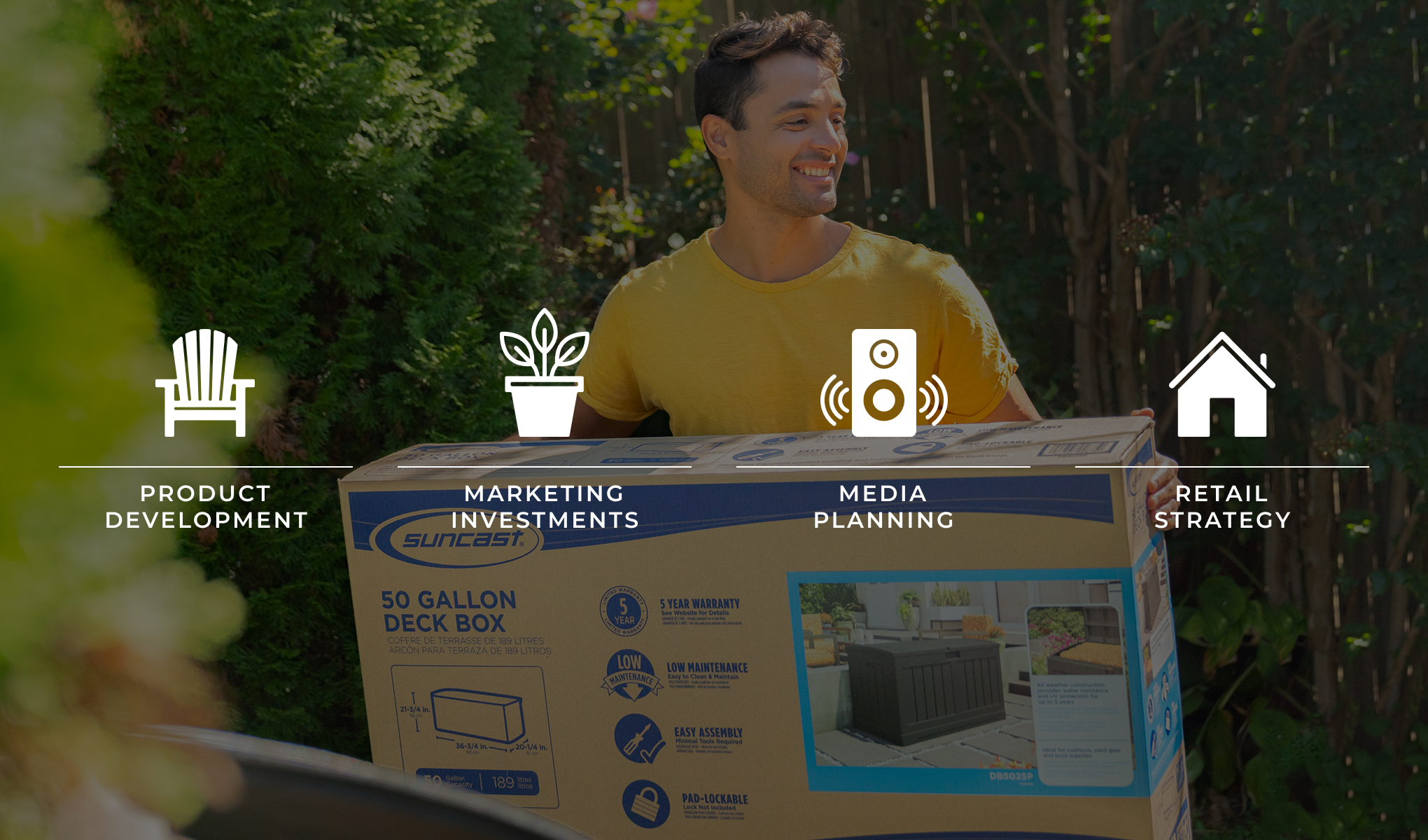
The goal was more than simple demographic profiles. It was to build a practical strategic framework that could guide product development, marketing investments, media planning, retail strategy, and long-term business growth.
What We Did
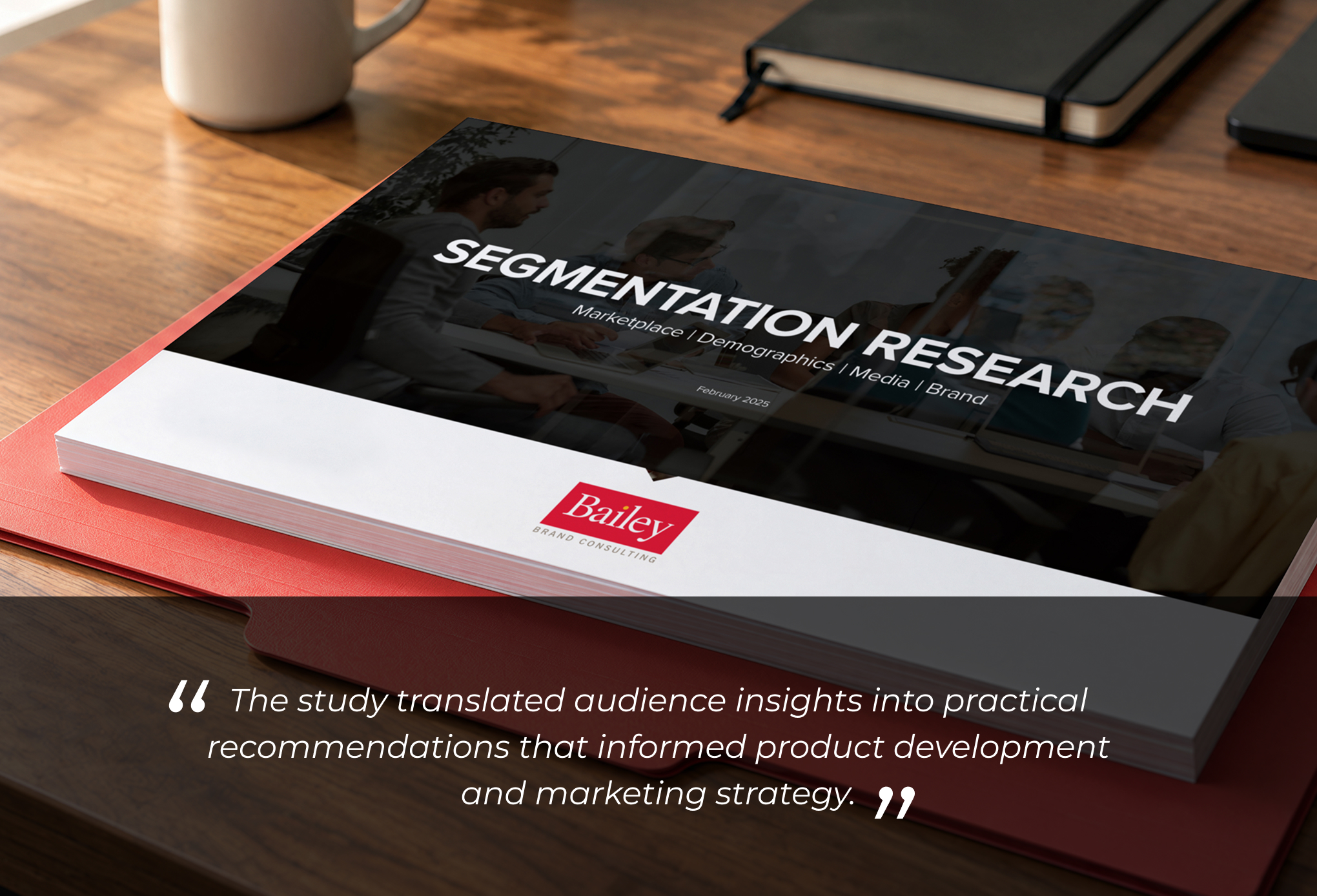
Bailey Brand Consulting partnered with Suncast to conduct a comprehensive segmentation refresh built around more than 1,000 category shoppers across outdoor storage, garage storage, and outdoor furniture.
The research explored the complete customer journey—from purchase motivation and awareness through research, planning, purchase behavior, and media consumption—to understand not only who customers are but also how they make buying decisions.
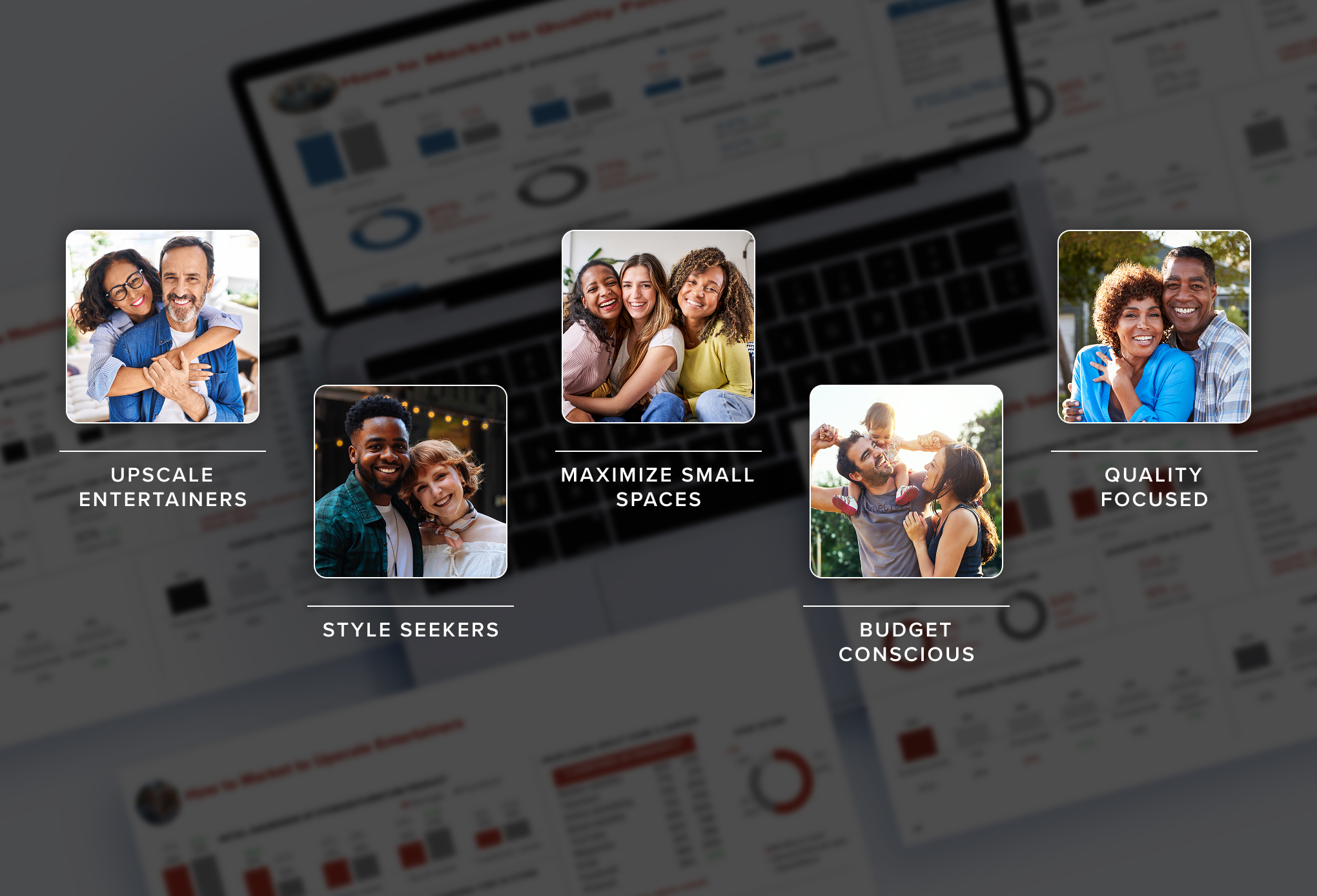
Using multivariate clustering techniques, we developed five distinct consumer segments, each defined by a unique combination of attitudes, purchase priorities, demographics, and shopping behaviors.
Rather than treating every shopper the same, the study revealed meaningful differences in what consumers value:
- Some prioritize durability and American-made quality.
- Others seek style, trend-forward design, and organization.
- Some view outdoor spaces as places to entertain.
- Others focus almost exclusively on value and practicality.
- Still others are motivated by maximizing smaller living spaces
These insights transformed broad market data into actionable customer personas that marketing, product, and sales teams could confidently use to guide decision-making.
Turning Research Into Strategy
The real value of segmentation is both identifying customer groups AND knowing what to do with them.
Our analysis helped Suncast prioritize where future growth opportunities existed by evaluating each segment against purchase potential, current brand affinity, buying behavior, and long-term value.
The research revealed that while one segment represented Suncast’s strongest existing customer base, two additional audiences offered significant opportunities for future growth through targeted marketing, product positioning, and brand awareness initiatives.
Instead of treating every customer equally, Suncast now had a clear strategic roadmap:
- Protect and retain their core audience
- Invest in high-potential growth segments
- Maintain visibility among lower-priority groups without overinvesting resources.
The study also translated those audience insights into practical marketing recommendations, including preferred media channels, messaging priorities, product positioning opportunities, retail activation strategies, digital and social media investments, e-commerce considerations, and in-store merchandising recommendations.
The Outcome
The segmentation refresh gave Suncast something far more valuable than updated research. It provided a shared understanding of today’s customer—and a strategic framework for reaching tomorrow’s.
Marketing teams gained clearer audience priorities. Product teams better understood evolving consumer needs. Media investments could be aligned with actual shopping behavior. And leadership had greater confidence that future planning would be grounded in current market realities rather than outdated perceptions.
As organizations begin building their 2027 business plans, one question is worth asking before every other strategic discussion: Do you really know the customer you’re planning for?